
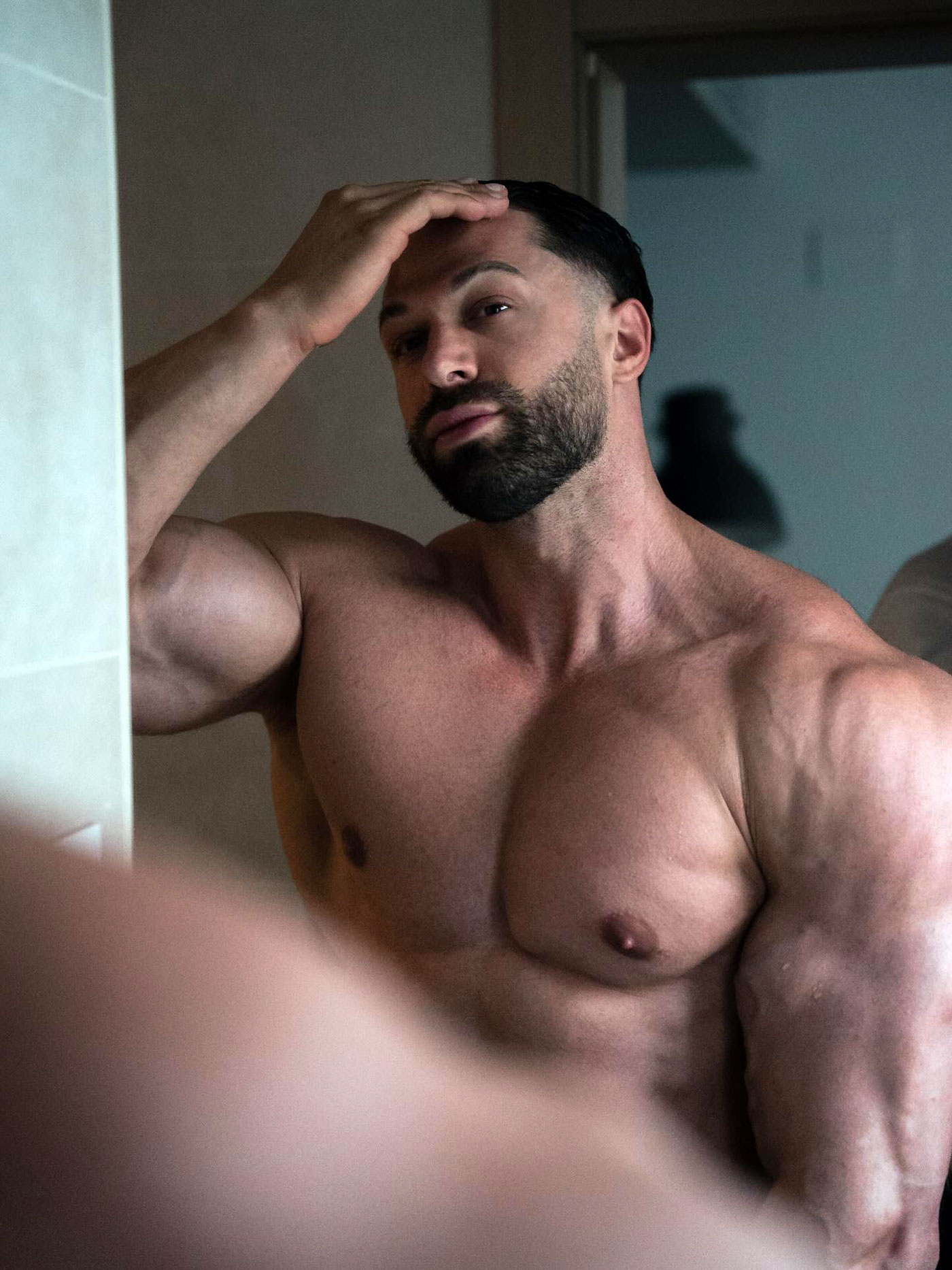
Bodybuilding is, by definition, an aesthetic pursuit.
The name itself says it clearly. We are building the body. Shaping it. Refining it. Improving it through years of training, nutrition, recovery, discipline, and repetition. Physique matters in this world because the physique is the work itself.
So yes — bodybuilders pay attention to appearance. More than most people.
We notice small changes. A sharper waistline. Fuller shoulders. Slightly better conditioning. A softer look after a few uncontrolled meals. We analyze progress photos, lighting, posing, symmetry, and detail. Over time, it becomes second nature.
There is nothing strange about that.
But there is also a line that can quietly become blurred.
At some point, the mirror can stop being a tool and start becoming a judge.
That is where things become dangerous.
The truth is that bodybuilding gives people far more than aesthetics alone. The physical transformation may be what draws most people into the lifestyle initially, but if they stay long enough, they usually discover something deeper underneath it.
Structure, discipline, patience.
Self-respect, consistency.
The gym teaches people how to keep promises to themselves. It teaches restraint, emotional control, and long-term thinking. It creates routine during chaotic periods of life. It gives many people confidence they never had before. For some, it becomes therapy. For others, stability.
Those things matter far more than whether your abs are visible every hour of every day.
The problem is that modern bodybuilding culture — especially online — can make it easy to forget this. Social media constantly pushes comparison. Perfect lighting. Perfect pumps. Perfect angles. Perfect conditioning maintained for a single photo taken at a specific moment under very controlled circumstances.
If you are not careful, you can slowly begin attaching your entire sense of self-worth to how you look on any given day.
That mindset becomes exhausting.
Even worse, it becomes impossible to satisfy, because physiques are never static. The body changes constantly. Water fluctuates. Conditioning fluctuates. Fullness fluctuates. Energy fluctuates. No athlete looks stage-ready year-round, no matter what social media tries to sell.
And yet many bodybuilders still live mentally trapped inside constant self-analysis: Too small. Too flat. Too soft. Not lean enough. Not full enough.

Not enough.
The irony is that this obsession can actually pull someone further away from the very lifestyle they claim to love. Training becomes anxiety instead of growth. Meals become stress instead of fuel. Progress becomes invisible because the athlete can only focus on flaws.
I understand this mentality because I live inside the same world.
Every serious bodybuilder cares about appearance. Pretending otherwise would be dishonest. We work extremely hard to refine our physiques, and naturally we want to see the result of that effort reflected back at us.
But bodybuilding works best when aesthetics remain part of the lifestyle — not the entire meaning of it.
The healthiest athletes are usually the ones who understand that their physique is something they pursue, not something that defines their value as a person.
Because eventually, the stage lights turn off.
The show ends, the photos are posted, and life continues.
And what remains underneath all of it is the real reason this lifestyle matters: the discipline it built inside you long before the physique ever arrived.