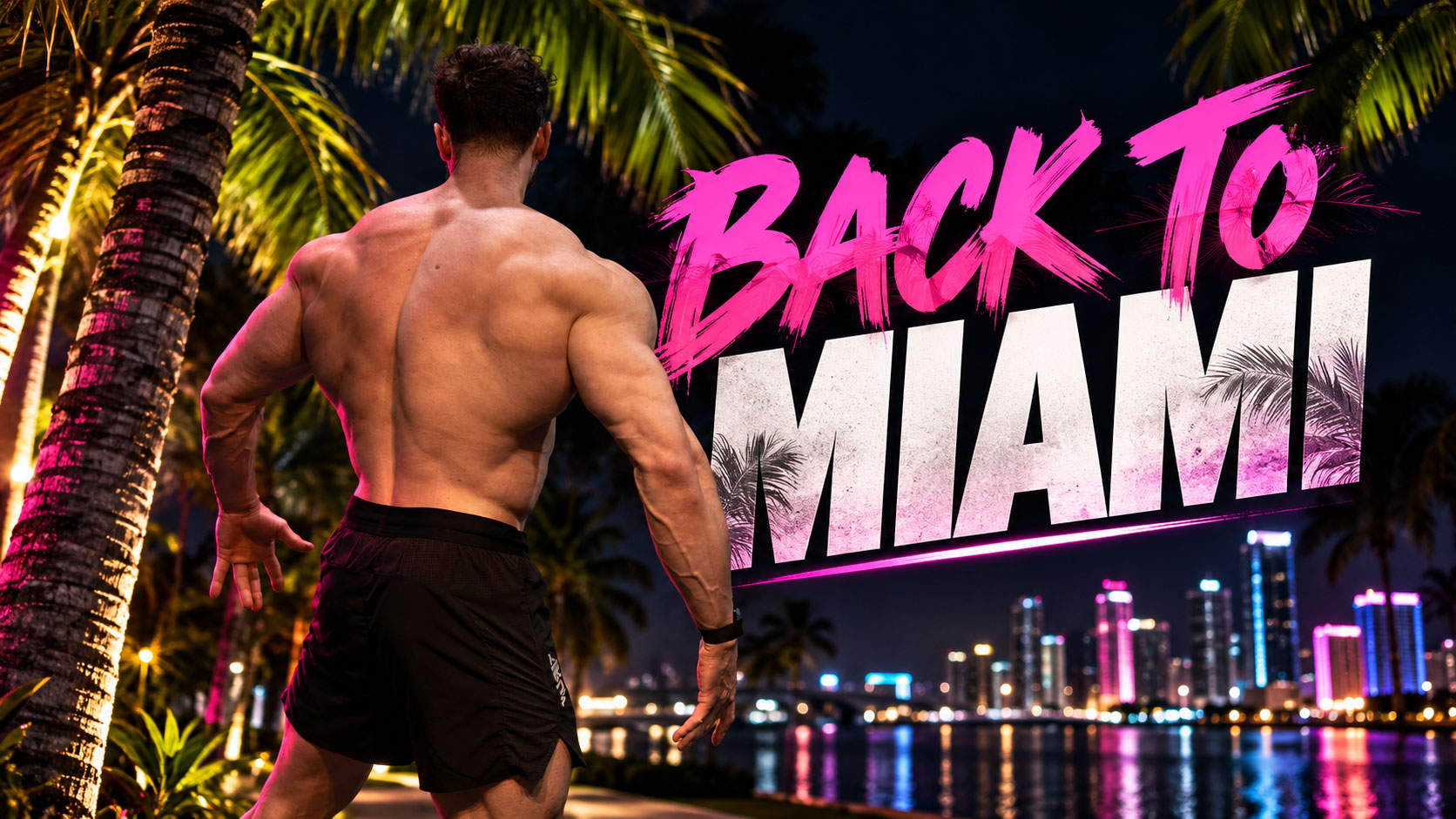
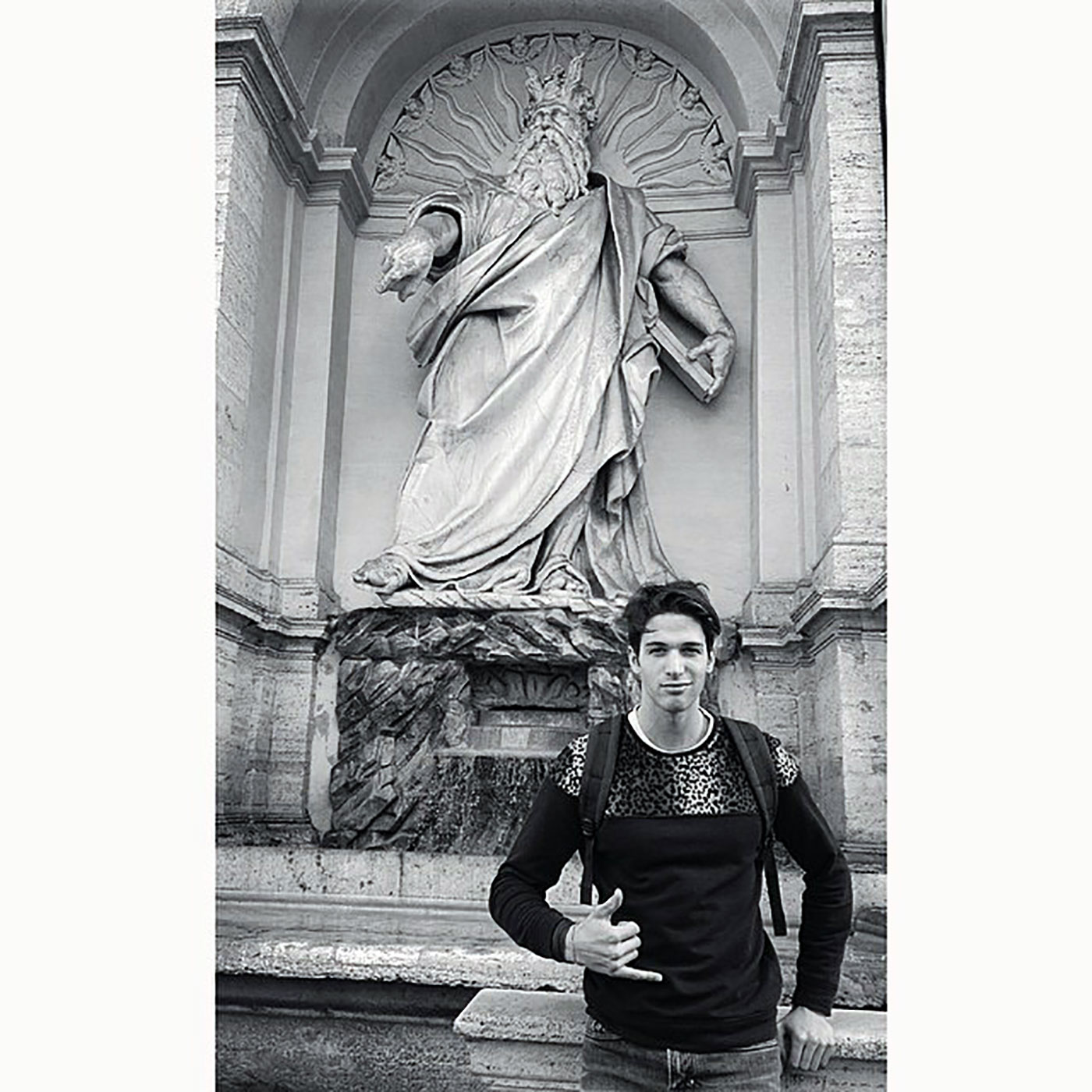
London doesn’t ease you in. The moment you step outside, it feels like the city is already mid-stride — people moving with purpose, streets layered with noise and direction, a constant sense that something is happening two blocks away and you’re either part of it or you’re in the way.
It’s intense without being chaotic. It’s organized pressure. The Underground is a perfect example: fast, crowded, efficient, slightly unforgiving. You learn quickly to pay attention, to move with the flow, to stay alert. And even above ground, the rhythm is the same — commuters cutting through side streets, cafés full by 8 a.m., taxis and buses constantly weaving through the streets.
But the best part is how much history is sitting right next to modern life. You can walk past a glass building that looks futuristic, turn the corner, and you’re staring at stone that’s been there for centuries.
London has this way of making time feel stacked on top of itself. There are layers of its Roman roots, medieval streets, imperial museums, and wartime scars. It’s a huge global city that never stops refreshing itself, while still preserving evidence of its past.
The culture here is its own thing too — a little guarded at first, but sharp. People aren’t loud in a performative way. The humor is (delightfully) dry. The conversations move quickly. There’s a kind of understatement that I respect.
London doesn’t need to sell itself to you. It just exists, and you start to see the personality in the details — pubs that feel like living rooms, markets that are half chaos and half tradition, neighborhoods that change character street by street.
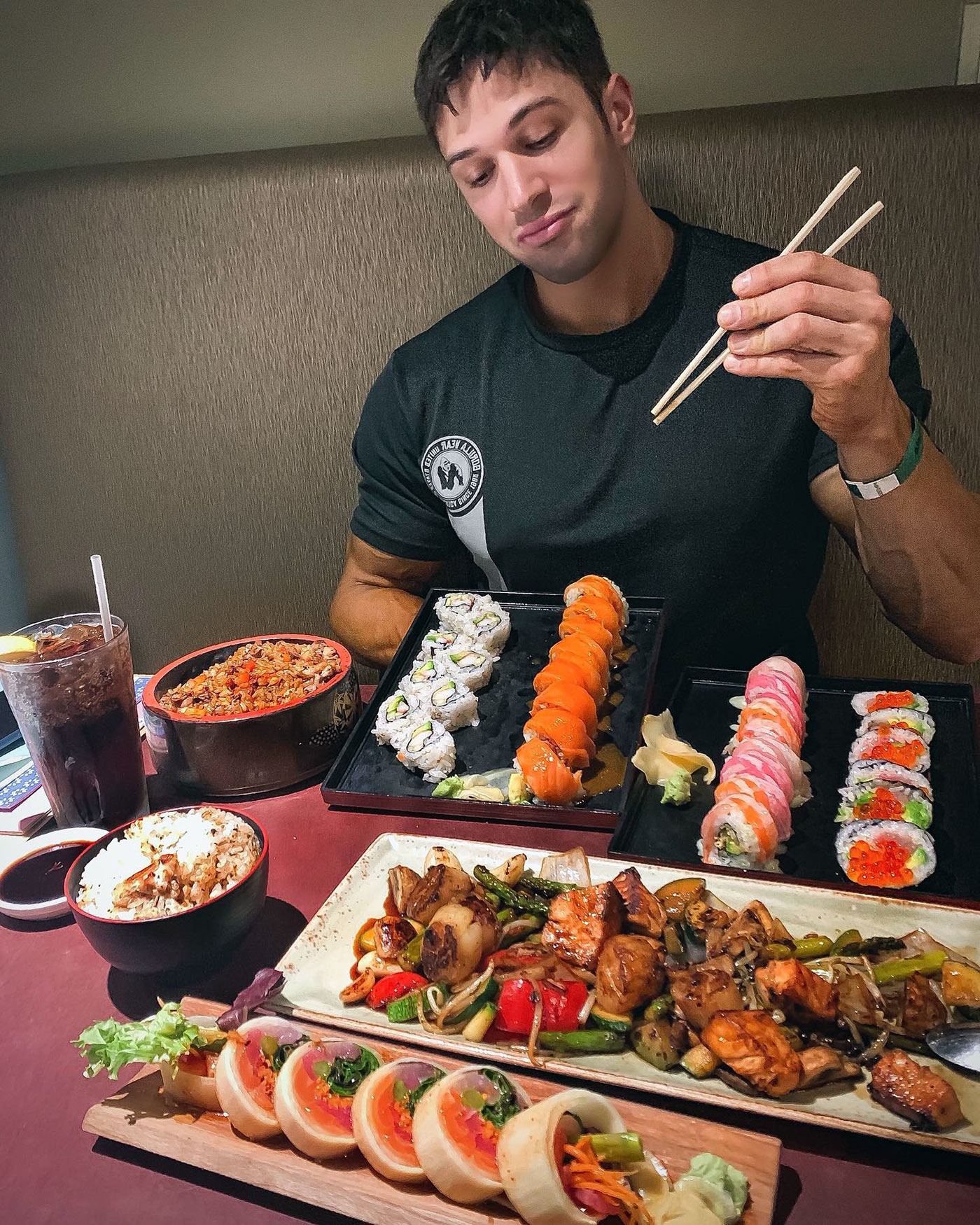
And food in London surprises people. You expect British basics, and you’ll find them (fish and chips, anyone?). But what really defines the city is how international it is. You can eat anything here, done well, because the world lives here. One night it’s Middle Eastern, the next it’s Indian, the next it’s sushi, and it still feels normal. London isn’t one cuisine. It’s all of the cuisines.
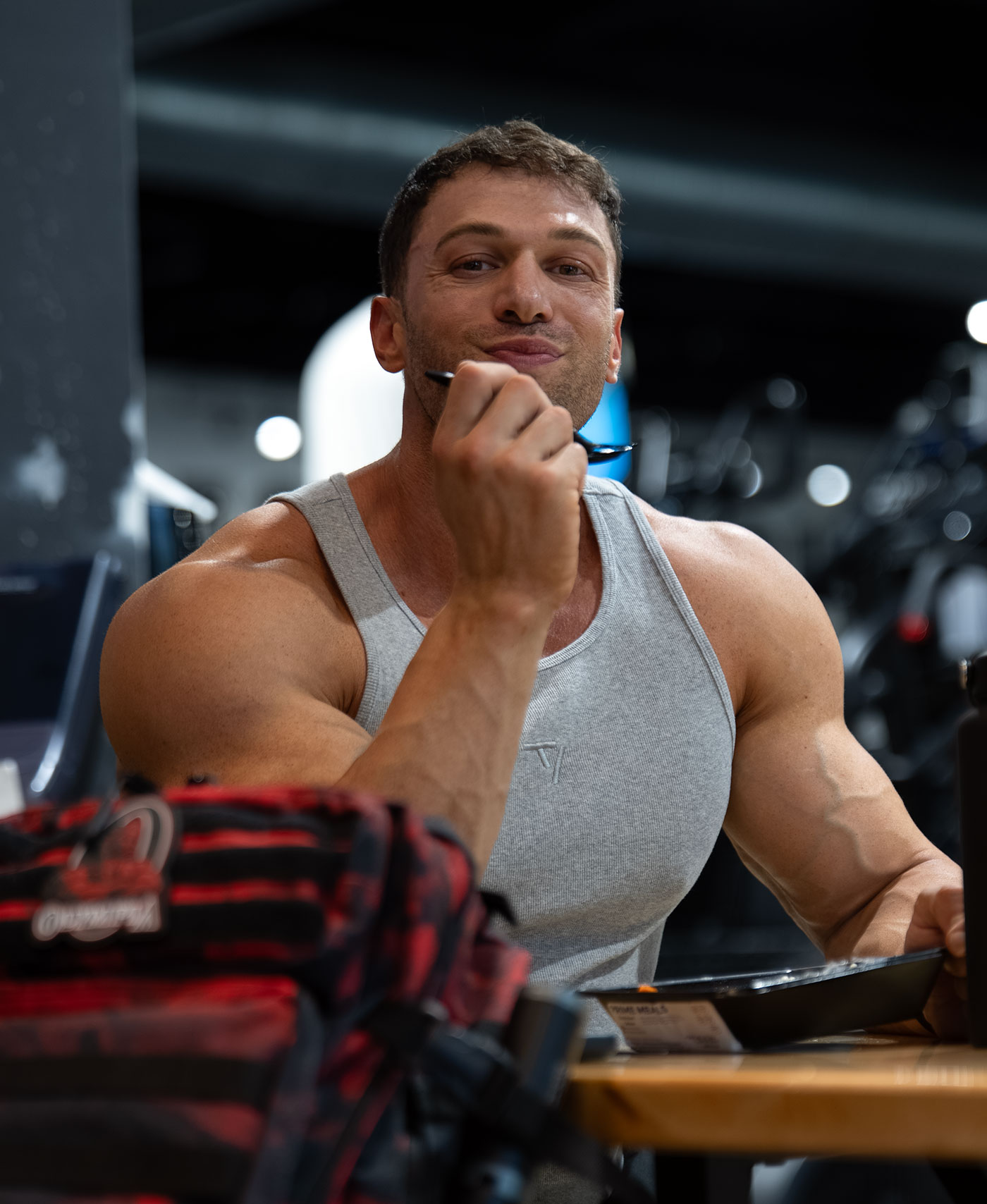
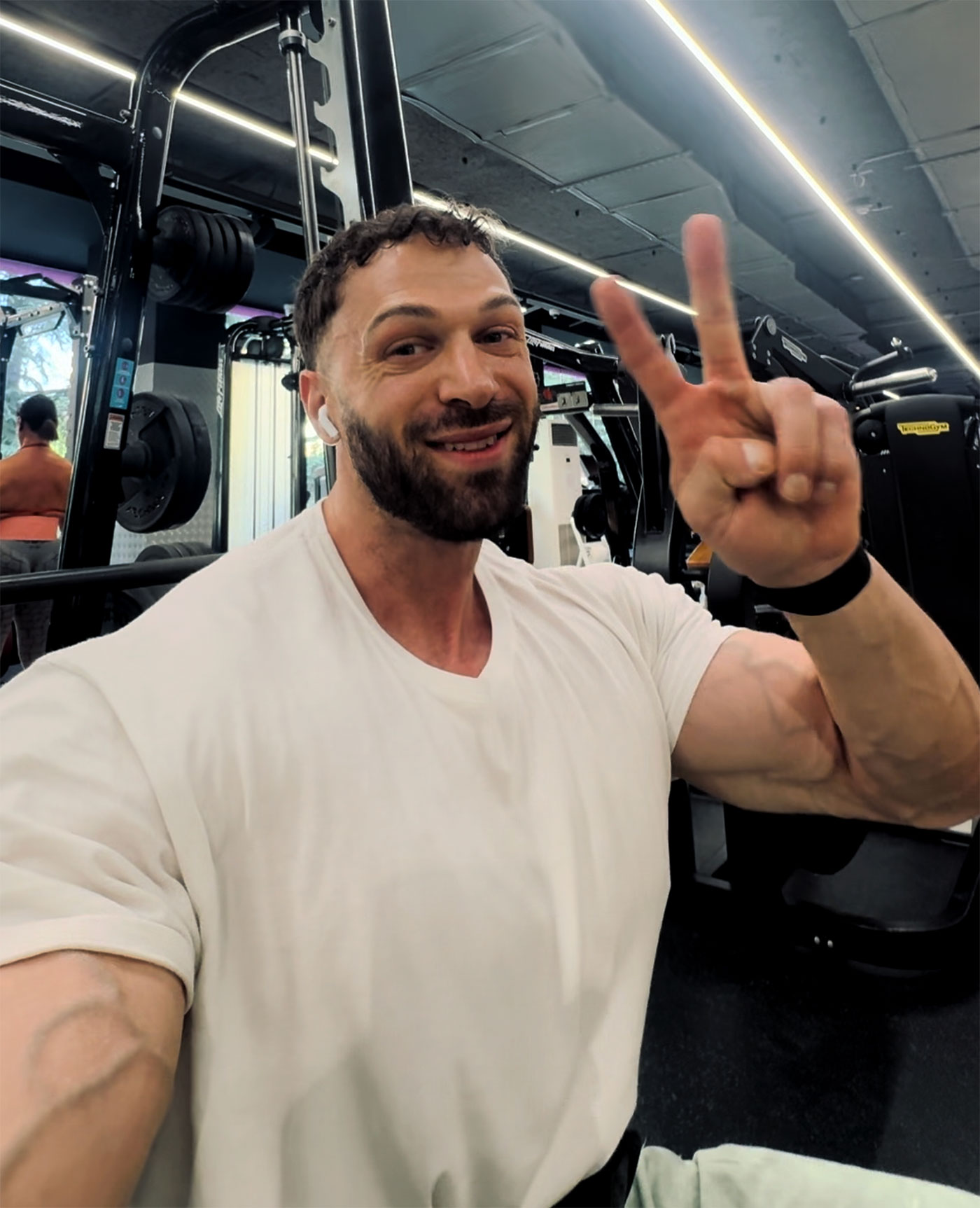
From a training perspective, London is a good city for discipline. It forces you to build structure. You don’t float through your day here; you plan, you move, you execute. Even a simple gym session feels earned because you’ve already worked just to get to it. And that kind of environment can sharpen you. It pushes you to stay consistent, even when life is moving fast around you.
That’s one of my favorite things about London: it doesn’t soften you. It refines you.
And if you’re here with a goal — whether it’s training, work, or chasing something bigger — London has a way of making you respect your own standard.
Every rep tests me. But the last one is different.
That last rep is the moment where your body is already trying to negotiate. Your breathing gets loud. Your face changes. Everything in you wants to rack it and move on. And that’s exactly why it matters — because it shows you what you do when it stops feeling good.
I’m not chasing pain for the sake of pain. I’m chasing that clean finish: staying in position, keeping the tension where it belongs, and getting the rep even when my brain is screaming to quit. That’s where confidence comes from. Not from the easy sets. From the ones you earn. And those last reps are the ones that cause your muscle to grow.
It’s almost time for another edition of Ask Alessandro — where I answer questions submitted by you.
In the first one, I covered the classics: my height and weight, how I eat, how I prep food, what body parts I love (or hate) training, and a bunch of the questions I’ve been getting for years.
Now we’re doing it again.
You can ask me anything — training, diet, coaching, mindset, travel, life stuff, whatever you’re curious about. If you want to go deeper, I’m happy to talk about my prep for the upcoming Arnold Classic and Arnold Classic UK, how I approach competing, and how I think about coaching athletes.
To submit a question, head to the Submit a Question page. You can send it anonymously if you want. I’ll answer as many as I can in the next installment. I look forward to hearing from you!
The Launch Edition of the Scavenger Hunt is officially complete, and I have to say — this was a lot of fun to watch unfold. Over the past few weeks, answers came in steadily, and it was clear people were digging through old posts, connecting ideas, and paying attention to the details.
Thank you to everyone who took part.
Congratulations go to Bryant Perez, who answered all questions correctly. A number of other individuals submitted correct answers, but chose to submit their answers anonymously.
Special recognition also goes to John T., who was the very first to submit answers in the challenge.
Below are the questions from the quiz, followed by the correct answers and a bit of added context for each one.
(1) There are three weekly photo series on my blog. What are their names?
Bodybuilding has always lived in photos. Long before reels and highlight clips, physiques were built slowly and shown in still frames — evidence of patience, repetition, and years of decisions stacking up. A good photo captures something pure words can’t: proportion, detail, presence. It’s a way of showing the work without over-explaining it.
That’s why these three weekly photo series exist. Motivation Monday carries the tone of the week — mindset, intention, and the internal standard that drives me forward. Throwback Thursday adds context, because progress makes more sense when you can see the road behind you — the phases, the places, the moments in time that shaped the athlete. Friday Flex is a check-in: a way to look at the physique honestly and keep refining the details.
These three series are the backbone of the blog because bodybuilding is inherently visual.
(2) In late December, 2025, I shared the recipe for my Magic Morning Elixir – a concoction I’ve found helps with my digestive health. What are the four ingredients in my elixir?
Correct answer:Apple Cider Vinegar, Turmeric, Ginger, and Fresh Lemon Juice
This isn’t a miracle drink. It’s a consistent habit that supports digestion and inflammation control, especially when training volume is high. Digestive health doesn’t get much attention until it becomes a problem — and by then, it’s already affecting performance.
(3) In a January, 2026 post, I argued that the biggest lie in fitness is that you need more motivation. What did I say matters more than motivation?
Correct answer:Having a Standard You Can Follow Consistently
Motivation is unreliable. Standards aren’t. A clear standard tells you what “good enough” looks like on days you feel great and on days you don’t. Long-term progress comes from repeating behaviors you can sustain, not chasing emotional highs.
(4) I recently pondered whether human coaches (like me) are still necessary in the age of AI. What did I describe as one of the greatest strengths of a human coach?
Correct answer:Interacting in Real Time – Asking You Questions, Watching You Train, Making Continuous Plan Adjustments
Information is easy to get now. Coaching isn’t about information — it’s about context. A human coach sees how you move, hears how you breathe, notices when something feels off, and adjusts immediately. That real-time feedback loop is still hard to replace.
(5) In early January, 2026, I wrote a post describing how Competitive Bodybuilding works, explaining my journey from my first competition to the Olympia stage. What division do I currently compete in?
Correct answer:Men’s Physique
This division emphasizes upper-body structure, balance, and presentation. Choosing the right division matters, because it shapes how you train, what you prioritize, and how you evaluate progress. Knowing your goal determines everything downstream.
(6) In late December, 2025, I described some of the challenges of eating clean while traveling, and offered some tips. What did I list as my #1 travel carb?
Correct answer:Oats
Oats are reliable, easy to transport, and easy to digest. When you travel frequently, consistency becomes more important than variety. Boring foods that work are often the best tools you have.
(7) In my first “Ask Alessandro” Q&A, I provided my official height. What is it?
Correct answer:190 cm (~ 6’3″)
This might be the question I get more than any other. People see photos and videos and try to “estimate” it, then they meet me in person and it catches them off guard. I’m 190 cm (about 6’3”), which isn’t basketball-player-level-tall, but still pretty tall for this sport, especially in the Men’s Physique division.
(8) What was the location of my Throwback Thursday photo I shared on December 4, 2025?
Correct answer:Venice Beach
Venice Beach isn’t just a backdrop — it’s a piece of bodybuilding history. Training there reminds you that this sport was built in public, under the sun, without filters or excuses. That lineage still matters.
Later in February, I’ll be featuring Venice Beach in a Tuesday Travelogue, so keep an eye out for that.
(9) In a recent Sculpting Sunday, I listed some benefits of using a shoulder press machine to develop delts instead of free weights. What were those benefits?
Correct answer:Machines Keep the Path Fixed and Allow You to Focus Exclusively on the Delts
Machines reduce variables. That’s exactly why they’re useful. When the goal is targeted hypertrophy, removing balance and stabilization demands can improve muscle activation and execution. Tool choice should serve the goal, not ego.
Anyone who’s spent time in Italy understands this answer. Gelato isn’t about choosing one flavor forever — it’s about quality, timing, and enjoyment when it fits. Which is just a scientific excuse for trying all of the flavors. (How else would you ever determine your favorite?)
This challenge wasn’t about trivia. It was about attention.
Training rewards people who notice patterns, remember details, and connect ideas over time. If you scored a perfect 10, well done — you earned it. If you missed a few, consider it an invitation to revisit the posts and keep engaging.
Most people load lunges one of two ways: dumbbells hanging at their sides, or a barbell across their back. Both work — but when I’m trying to sculpt my legs instead of just survive a set, I often use a third option that looks almost too simple to matter.
This past week had a clean theme running through everything I shared: control. Control in the gym, control in recovery, and control in the small choices that build a physique when no one’s watching. The work looked different day to day — hamstrings, biceps, travel, mindset, reflection — but the standard stayed the same: stay sharp, stay intentional, keep the details honest.
We opened with Sculpting Sunday, and it was one of those “one cue changes everything” lessons. Leg curls are supposed to be a hamstring exercise, but plenty of people feel them in the wrong places. The fix was simple: drive your hips into the pad and keep them glued there. Locking that position turns the movement into what it’s meant to be — clean hamstring tension, better symmetry, and zero room for the lower back or calves to steal the rep.
On Motivation Monday, the focus tightened even more with No Swing. All Biceps. Just classic curls done the hard way: elbows controlled, reps clean, and a pace that forces the muscle to do the job instead of momentum. That’s the kind of discipline that builds real shape — not the flashy rep that looks strong for two seconds and teaches your body nothing.
Tuesday brought a change of scenery with a new Tuesday Travelogue, where I share a place through culture, mood, and what it feels like to live inside it — not just a photo. This week was Rio de Janeiro, and I wrote about why it’s my favorite city right now when it comes to pure energy. Rio has a pulse. Ocean and mountains colliding in one skyline, music and motion everywhere, and a kind of human warmth that hits you immediately. It’s the type of place that can either distract you or fuel you — and I like using that intensity as focus.
Midweek, I went long-form with Why Bodybuilding Isn’t Just a Sport — It’s a Lifestyle You Choose Every Day. That post is the clearest version of how I see this life after nearly two decades in it: the stage is the result, but the identity is built in the routine. Discipline, priorities, training with precision, nutrition as structure, and the mental side that people don’t talk about enough. The physique changes because the person changes.
Throwback Thursday stayed in that same mental lane with The Face of Focus. A quiet moment from 2021 that says more than any highlight reel: the mindset lives in the pauses — the breath between sets, the look in your eyes when fatigue hits, the decision to stay present and keep pushing.
And I posted a bonus long-form story on Thursday: Why Strength Training Makes Every Sport Better. In it, I argued that strength training isn’t just for bodybuilders; it’s for anyone who is physically active, as it relays a lot of benefits regardless of sport.
And then Friday Flex closed the week with the other half of progress: recovery. Soak. Reset. Repeat. A hot bath, muscles unwinding, stress dropping, nervous system settling. I’m Team Bubbles, but the point is bigger than that — the body grows when you give it permission to recover, and the mind gets sharper when you let it slow down.
That was the week: technique, mood, mindset, and recovery — all tied together by the same idea. Train with purpose, live with structure, and respect the quiet work that turns effort into results.
Next week, more coming — more training, more travel, and more moments that show what this life actually looks like day to day.
Sinking into a warm soaking bath, I can feel the heat easing deep into my muscles — a slow unwind that resets my body and clears my head after a long day.
For a long time, strength training was treated like its own lane. You lifted weights if you wanted to build muscle, look a certain way, or compete on a bodybuilding stage. If your sport was hiking, skiing, biking, climbing, or endurance-based, the weights were often seen as optional — or maybe even unnecessary or undesirable.
Over the years, my view has shifted completely.
My physical fitness journey didn’t begin with bodybuilding. Growing up in Brescia, Italy, I was focused on other sports, such as running. I went skiing frequently with my family in the alps. It was only later in life that I began to shift my focus to weightlifting, coaching, and professional bodybuilding.
And that made me realize that strength training isn’t something that sits beside other sports. It supports them. It changes how your body handles stress, how you recover, how you move through fatigue, and how confident you feel when conditions get hard. Whether you’re hiking long days in the mountains, skiing variable terrain, spending hours on a bike, going for a swim, or just trying to stay active without breaking down, building muscle has an impact far beyond the gym.
I’ve seen it in my own training, and I’ve seen it in the people I coach.
Strength Changes How Your Body Handles the World
Most physical activities place repeated demands on the body. Hiking requires climbing thousands of steps uphill and downhill. Skiing requires absorbing force, controlling rotation, and staying balanced as snow conditions and terrain constantly change. Biking means staying stable for long periods while producing power through the legs and hips.
Strength training prepares your body for those demands in a way cardio alone never will.
Muscle gives you options. Strong legs absorb impact better. A strong core keeps your posture intact when fatigue sets in. Strong hips and glutes help transfer force efficiently instead of dumping stress into the knees or lower back. When muscles are developed and coordinated, joints move more cleanly, and small compensations don’t spiral into overuse injuries.
A lot of people think endurance sports are only about endurance. In reality, endurance suffers quickly when strength is missing. Once stabilizing muscles fatigue, form collapses. Energy leaks out of every movement. What felt manageable at the start of the day suddenly feels heavy, unstable, and frustrating.
Strength makes movement economical. You spend less effort holding yourself together, which means more energy left for the actual task.
A Stronger Body Helps Prevent Injuries
One of the biggest benefits of strength training might not be all that obvious: fewer setbacks.
When muscles are weak or unbalanced, the body finds workarounds. Knees take more load. Lower backs start doing jobs they weren’t meant to do. Ankles, hips, shoulders — they all start (over)compensating. Most injuries don’t come from one dramatic moment. They build over time as small stresses stack up.
Strength training gives the body support. It reinforces movement patterns. It builds tolerance to load. And it gives you an extra margin — room to make a mistake, step awkwardly, or land unevenly without paying for it later.
For skiers especially, strong legs and hips change everything. For hikers, strength protects you on the descent, when fatigue is high and attention slips. For cyclists, it helps maintain posture and power output late into a long ride.
You don’t need to train like a hardcore bodybuilder to get these benefits. You need consistency, basic movement patterns, and progressive challenge.
Strength Builds Confidence Under Fatigue
There’s a mental side to this that often gets overlooked.
When you know your body is strong, you move differently. You trust your footing more. You commit to movements instead of hesitating. You stay calmer when conditions aren’t perfect.
Strength training teaches you how to work inside discomfort. You learn how to stay present when muscles burn, when breathing gets heavier, when the set doesn’t feel easy anymore. That experience carries over.
On a long hike, there’s a moment where the legs feel tired and the mind is ready to give up. On skis, there’s a point where conditions get rough and focus starts slipping. On a bike, there’s always a stretch where quitting would be easier. On a swim, you might not be sure whether you can do one more lap.
People who lift regularly recognize that moment. They’ve been there before. In fact, they crave that moment, because bringing muscles to the point of fatigue is the way to make them grow. They know how to keep moving without panicking or rushing. That mental steadiness is something that can be learned, trained, and repeated.
Discipline Transfers Everywhere
This is where bodybuilding, in particular, has shaped how I see the world.
Strength training rewards structure. You show up when you said you would. You repeat movements long enough to improve them. You pay attention to small details because they add up. You learn patience — real patience — because progress comes slowly and honestly. I’ve written before that motivation isn’t enough; discipline is required, and strength training teaches one how to turn discipline into a habit.
That habit doesn’t stay in the gym.
It shows up in how you plan trips, how you pace long efforts, how you recover, and how you handle setbacks. It shows up in daily life too: work, relationships, routines, commitments. Strength training teaches you to respect process, not just outcomes.
That mindset is valuable whether you ever step on a stage or not.
You Don’t Have to Choose
This is the part I want more people to understand.
Strength training doesn’t pull you away from the activities you love. It supports them. It lets you do them longer, more confidently, and with less wear and tear. It gives you resilience — physically and mentally.
Yes, I’m a professional bodybuilder, and that means my regimen of strength training will look very different than yours. I’m not expecting you to spend hours in the gym each day, or to start monitoring your macros, or to become an expert in the art and science of crafting the perfect pre-workout.
You don’t need extreme volume. You don’t need complicated programs. You don’t need to chase numbers. You need a foundation: basic lifts, controlled movement, progressive load, and enough recovery to adapt.
If you hike, lift so your legs and core can support long days.
If you ski, lift so your joints and balance stay sharp.
If you bike, lift so power and posture hold under fatigue.
If you want to stay active as you age, lift so your body stays capable. The science is clear: maintaining and building skeletal muscle has been linked to healthier aging.
Strength training isn’t a separate identity. It’s a tool. One that makes everything else you do feel more solid.
That’s why I believe in it — not only as a bodybuilder, but as someone who values movement, longevity, and a body that works well in the real world.
And if you’re new to strength training, I recommend consulting with your doctor before beginning any exercise program, and I also recommend finding a good coach or trainer who can help you identify goals, teach you proper exercises and form, and guide you through your program. (As I’ve argued in the past, a good human coach offers value beyond simply asking AI to develop a program.)
April, 2021. No emotion, no noise — just purpose. Moments like this capture what it takes to stay locked in and push toward the next level.
A lot of people think the workout is only the moment you lift the weight… but the truth is, the mindset lives in the pauses. This is where you decide if you’re still hungry, if you’re still present, and if you’re willing to keep pushing even when your body is already tired.
People often look at bodybuilding and see the final product: a lean physique under bright lights, a few poses, a tan, maybe a medal. What they don’t see is that those minutes on stage are just the tip of the iceberg. The part that actually defines a bodybuilder happens quietly, in ordinary moments, repeated for years—long before a judge ever sees you.
That’s why I don’t think of bodybuilding as something you “do” a couple times a week. It’s not a hobby you switch on when you feel motivated and switch off when life gets busy. It’s a lifestyle you choose every single day—from the moment you wake up to the moment you go to sleep.
I’ve lived this for almost 17 years, from my early days in Brescia to earning my IFBB Pro status, qualifying for the Olympia four times, and competing internationally. And the longer I’m in it, the more I realize the same truth: bodybuilding isn’t built on the dramatic moments. It’s built on the quiet ones.
Right now, if you asked me to pick one city based purely on mood — on the people, the energy, the feeling you get the second you step outside — I’d say Rio de Janeiro.
Rio doesn’t “welcome” you quietly. It hits you with life. The streets feel warm even when the sky is gray. People move with a kind of openness that’s hard to describe until you’ve felt it. There’s music in places you don’t expect it. There’s laughter that feels effortless. And even when the city is chaotic, it’s a human kind of chaos — not cold, not rushed, not disconnected.
Rio de Janeiro, Brazil, 2024. Photo credit: photobynetto.
What makes Rio special is the contrast. You have the ocean right there, but also mountains cutting through the skyline like the city was built inside a landscape painting. One moment you’re looking at waves and sand, and the next you’re staring up at granite peaks and dense green hills. It’s a city where nature isn’t “nearby.” Nature is part of the architecture.
And culturally, Rio has layers. You feel the African influence in the rhythm of the city — in samba, in the way people carry themselves, in the celebrations that aren’t just entertainment but identity. You feel the Portuguese history too, in the layout of older areas and the way certain traditions still echo through daily life. It’s not a place that tries to be polished. It’s a place that feels real — and that’s why it pulls you in.
Photo by Claudney Neves, via Wikimedia Commons (CC BY-SA 4.0).
The vibe is also shaped by the climate. Rio is made for the outdoors. Even when it’s humid, people are outside — walking, training, playing football, running along the beach, living. The city feels like it’s constantly moving, but not in a stressed way. More like it’s breathing. There’s a rhythm to it: morning light, beach movement, late afternoons that stretch out, nights that don’t feel like an ending — they feel like a second chapter.
From a discipline point of view, I actually like being in places like this. When the environment has strong energy, it forces you to be intentional. You either let the city pull you into distraction, or you use the energy to sharpen your focus. For me, the goal is always the same: enjoy the place, absorb what’s unique about it, and still keep my structure. Train. Eat clean. Recover. Repeat. A new city should add something to you — not take you away from who you are.
Rio does that. It gives you fuel.
And maybe that’s the best way I can describe why it’s my favorite right now: it has a pulse — and if you’re paying attention, it wakes you up.
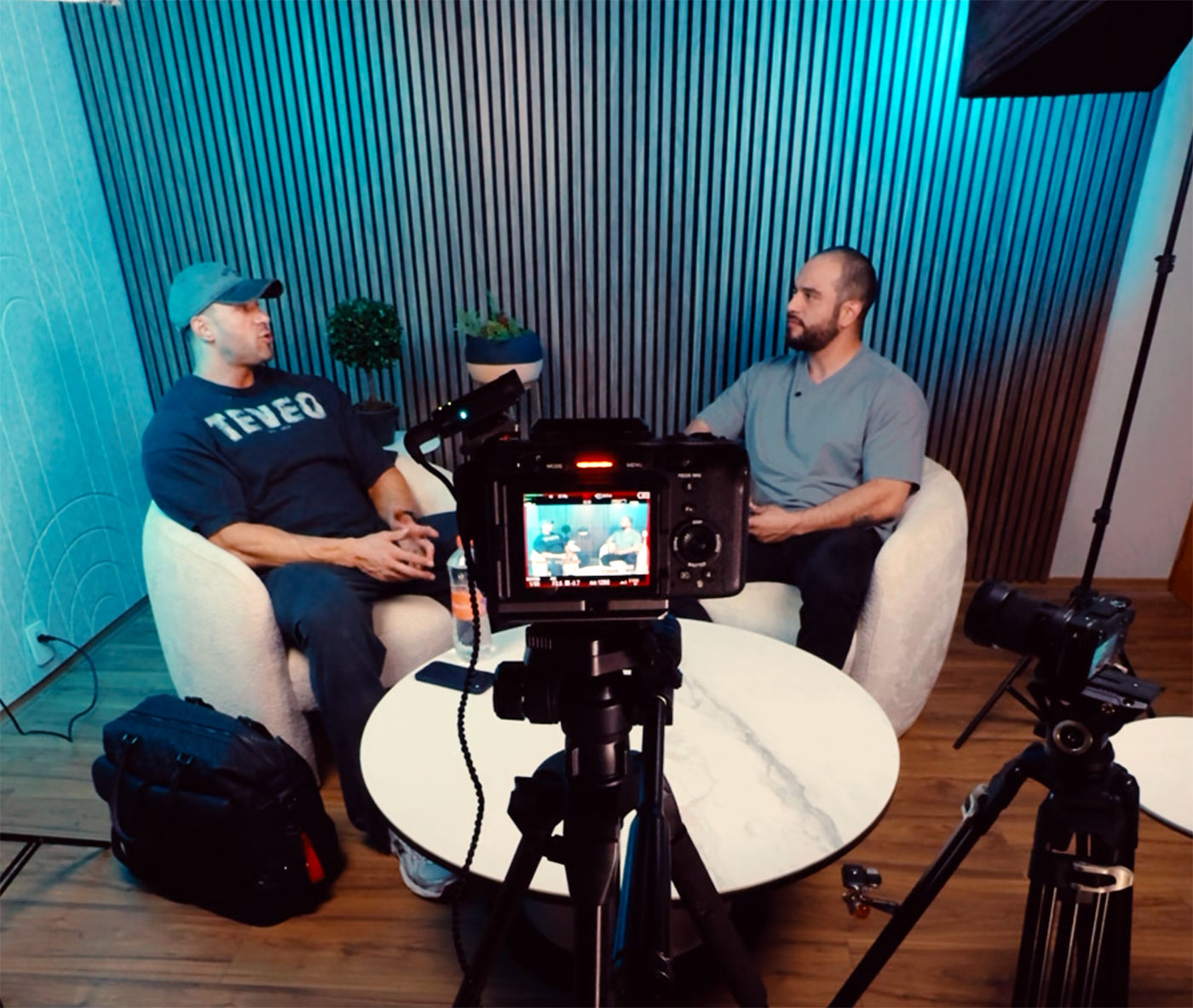
The focus of the session wasn’t doing anything flashy — it was about fundamentals done correctly. We worked with controlled negatives, clean reps, and the idea of lifting with precision instead of ego, covering many of the same topics I’ve been covering here on my blog.
When the movement stays tight, lighter weight suddenly becomes heavy, and the target muscle actually does the work. Drop sets were used to extend quality work, not to cover up sloppy execution.
We also spent time on posing, which I think is still underestimated by a lot of athletes. You can have a great physique, but if you don’t know how to present it, the judges never see your best version. As Lukas realizes in the video, bodybuilding is about creating an illusion — showing your strengths and minimizing your weaknesses — and posing is how you do that. You can look big in person but small on stage if you don’t know the art of posing.
What I appreciate most about sessions like this is the energy. Sharing knowledge, helping other athletes sharpen their training, and keeping the culture positive is something I enjoy more and more. This sport grows when we help each other train smarter and stay consistent.
You can watch the full workout and conversation on Lukas’ channel here:
Running through classic bicep curls, I’m keeping my elbows tight and the movement controlled — no swinging, just clean reps that zero in on my biceps while my forearms and stabilizers back up the work.
Bicep curls mainly target the biceps brachii, the muscle on the front of your upper arm that’s responsible for elbow flexion (bending the arm) and also helps with supination (turning the palm up). That’s why I always think about curling with the biceps, not just moving the weight from A to B.
A few cues that will help you get more out of every rep:
Keep your elbows slightly in front of your body and pinned — if your elbows drift back, the shoulders start stealing the work.
Move slowly, especially on the way down — the negative is where you build a lot of the detail and control.
Stop the rep before you lose tension — don’t rest at the bottom, keep the biceps working the whole time.
Finish with a hard squeeze at the top — not a wrist curl, not a shoulder shrug… just the biceps doing their job.
Clean reps like this build shape, control, and that deep pump that reminds you the work is landing exactly where it should. 💪
If you’ve ever done a leg curl and felt it more in your calves or lower back than in your hamstrings, you’re not alone. Hamstrings are strong, but they’re also stubborn — and they love to let other muscles take over when the movement isn’t set up perfectly.
Here’s the simplest cue I use to get clean, powerful hamstring activation on every rep:
This past week has been firmly rooted in prep mode. With the Arnold Classic getting closer, the focus has shifted toward precision — in training, in recovery, and in how each session is executed. Even while traveling, the structure stays intact.
After spending time in Bali, I traveled to Bangkok, Thailand, where I spent much of the past week. While Bali is known for its laid-back beaches and spiritual retreats, Bangkok stands out for its fast-paced urban energy, bustling street life, and modern cityscape.
Here on the blog, the past week opened with Sculpting Sunday: My Cable Pulldown Trick for a Better Triceps Teardrop, where I broke down a small but powerful adjustment for cable pulldowns that dramatically improves triceps “teardrop” development. Locking the elbows, finishing with a hard squeeze, and controlling the negative turns a common exercise into a precise sculpting tool. It’s a reminder that details — not heavier weight — are what shape a physique.
On Motivation Monday: Discipline in Every Rep, I shared a photo from an intense training session at the B1 Gym in Dubai. The message was simple: form, control, and intent matter on every pull. Motivation comes and goes, but the standard you train to has to stay consistent.
Tuesday introduced something new with the launch of Tuesday Travelogue. In my first post to that new series, I (not surprisingly) focused on Bali, reflecting on what makes the island unique — its culture, geography, climate, and rhythm — and how environments like that can change the way you think, move, and recover. Travel and experiencing new cultures can definitely sharpen one’s perspective.
Midweek, I shared a long-form breakdown of how I train my back for real thickness. Width has never been my limiting factor — density is what I’ve had to earn. In that post, I covered how I use foundational row patterns, grip angles, kneeling lat pulldowns, strict rowing mechanics, and iso-mix sets to refine detail and separation. It’s a technical look at back training, built around intent instead of volume for volume’s sake.
The week closed with two contrasting photo moments. Throwback Thursday: Steel Versus Skin revisited a classic 2021 image — a study in contrast between steel and skin, structure and adaptation.
And Friday Flex: Aloha State of Mind shifted the tone entirely, sharing a relaxed 2024 moment from Hawaii — a reminder that recovery, reflection, and perspective are part of the process too.
It was a full week, and the momentum continues.
Coming up next week, I’ll be breaking down how to instantly improve hamstring activation on leg curls, and I’ll also be sharing a long-form post on why bodybuilding isn’t just a sport — but a lifestyle you choose every single day. Alongside that, there will be more stories, more training insight, and more moments captured through the Motivation Monday, Throwback Thursday, and Friday Flex series.
Also, don’t forget – you have one week left to participate in Alessandro’s Scavenger Hunt – Launch Edition, where I present 10 questions that can only be answered by searching through past blog entries.
And, as always, I’m eager to hear your feedback on my new blog. You can send feedback to myself and my team at feedback@theacblog.com. Let me know if there are particular training tips you’d like me to share.
I hope you had a great week, and that my posts motivate you to train, to travel, and constantly push yourself forward. I’ll see you in the next post. ✌️
To provide the best experiences, we use technologies like cookies to store and/or access device information. Consenting to these technologies will allow us to process data such as browsing behavior or unique IDs on this site. Not consenting or withdrawing consent, may adversely affect certain features and functions.
Functional
Always active
The technical storage or access is strictly necessary for the legitimate purpose of enabling the use of a specific service explicitly requested by the subscriber or user, or for the sole purpose of carrying out the transmission of a communication over an electronic communications network.
Preferences
The technical storage or access is necessary for the legitimate purpose of storing preferences that are not requested by the subscriber or user.
Statistics
The technical storage or access that is used exclusively for statistical purposes.The technical storage or access that is used exclusively for anonymous statistical purposes. Without a subpoena, voluntary compliance on the part of your Internet Service Provider, or additional records from a third party, information stored or retrieved for this purpose alone cannot usually be used to identify you.
Marketing
The technical storage or access is required to create user profiles to send advertising, or to track the user on a website or across several websites for similar marketing purposes.