
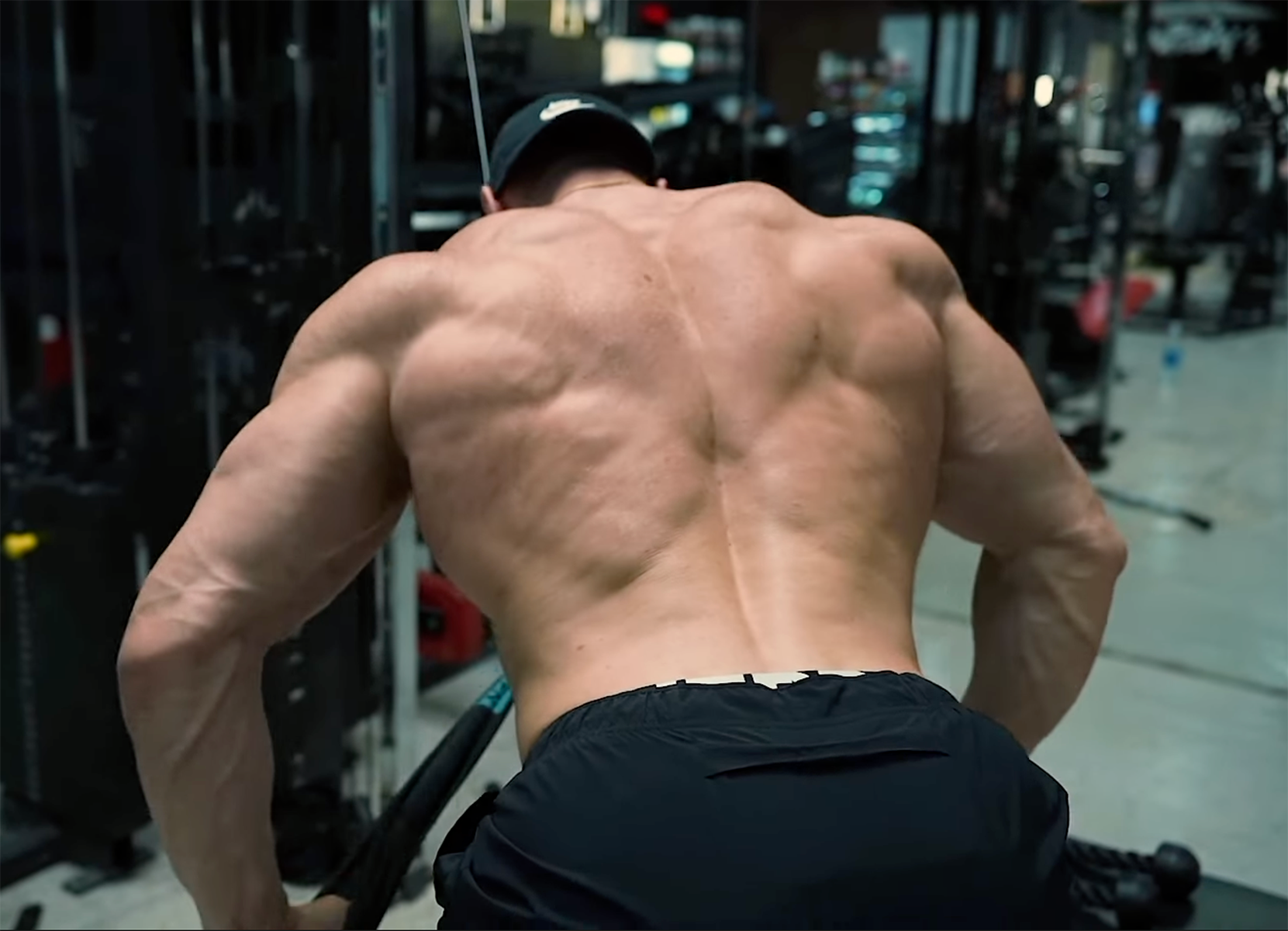
If you’ve ever wondered why some athletes develop dense, detailed muscle while others stay soft no matter how much they lift, the answer often comes down to one thing: the negative portion of the rep.
Most people focus on lifting the weight.
But sculpting — true shaping of the muscle — happens when you lower the weight.
The negative (or eccentric phase) is where the muscle experiences the most mechanical tension. And tension is what creates detail, separation, and that “carved” look on stage.
Here’s why slowing down the negative makes such a big difference:
• It forces the target muscle to stay under tension longer
Time under tension is the sculptor’s best friend. A slow descent increases the stimulus without increasing the weight.
• It eliminates momentum
When you control the negative, you remove all the cheating. No swinging, no bouncing — just pure muscle work.
• It teaches proper activation
If the wrong muscle tries to assist, a slow negative exposes it immediately. You feel the imbalance and can correct it.
• It creates better mind–muscle connection
Lowering slowly lets you stay inside the muscle, not the movement. That’s how you learn to “feel” the muscle working from start to finish.
• It reduces injury risk
Most injuries happen during uncontrolled lowering. Slow negatives protect the joints and let the muscle take the load where it should.
The sculptor’s rule:
Lift with intention. Lower with control. That’s where the shape is built.
Try slowing down your negatives on your next set — even just by two extra seconds.
Your pump will feel deeper, your form tighter, and your sculpting more precise.